
Lomax Hard Tri-Fold Cover Won’t Lock? Here’s the Fix
A tonneau cover that won’t lock leaves your truck bed exposed to weather and theft, defeating the whole point of the upgrade. Most locking failures on the Lomax Hard Tri-Fold trace back to misaligned striker plates, debris in the latch mechanism, or worn weather stripping that prevents the panel from seating flush.
We designed our covers for quick field repairs, and nine times out of ten you can restore a solid lock in under fifteen minutes with basic hand tools. This guide walks through the four most common causes and the step-by-step fix for each, so you can get back to secure hauling without a service appointment.
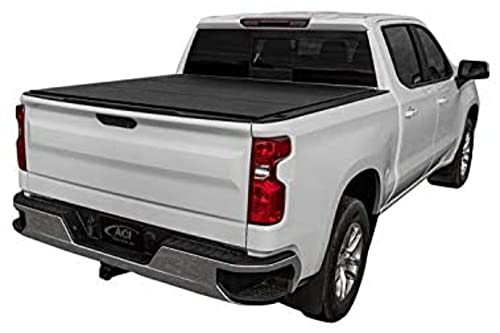
Check the Striker Plate Alignment First
The striker plate is the small metal bracket bolted to your bed rail that the rotary latch grabs when you close the cover. If that plate shifts even a quarter inch forward or back, the latch won’t engage.
Open the cover fully and inspect both striker plates—one on each side near the cab. Look for fresh scuff marks on the plate or the latch itself; those marks show where contact is happening versus where it should happen. Loosen the two mounting bolts on each plate with a 10 mm socket, slide the plate toward the latch until the two pieces align visually, then hand-tighten and test the lock.
Why Plates Shift
Vibration from rough roads or an over-torqued install can walk the hardware out of position over time. If the plate appears bent or cracked, replacement striker hardware is available through our site and installs in minutes with the same two bolts. Once aligned, torque each bolt to fifteen foot-pounds and recheck every few months as part of routine bed maintenance.
Clear Debris From the Rotary Latch Mechanism
Dust, mud, and road salt collect inside the rotary latch housing and gum up the spring-loaded pawl that grips the striker plate. A latch packed with grit feels stiff when you turn the key, or it won’t rotate at all.
Pop the rubber dust cap off the latch cylinder on the underside of the cover panel. Spray the cavity with a silicone-based lubricant—never WD-40 or petroleum spray, which attracts more dirt—and work the key back and forth a dozen times to distribute the lubricant through the mechanism. Wipe away any sludge that drips out, replace the dust cap, and test the lock.
Seasonal Maintenance
We recommend flushing each latch twice a year, once before winter and once after spring thaw, to prevent freeze-up and corrosion. A can of dry PTFE spray lasts through several seasons and keeps the pawl moving freely even in sub-zero temps, which matters if you park outdoors year-round like many Ram 1500 owners running camper shells who need the bed sealed against snow.
Inspect Weather Stripping for Compression Set
The EPDM weather stripping along the bed rails creates an airtight seal when the cover closes, but it also provides the last half-inch of travel that seats the latch onto the striker plate. If that rubber has taken a permanent compression set—flattened and won’t spring back—the panel never drops low enough for the latch to engage.
Run your finger along the top edge of each bed rail where the cover rests. Healthy stripping should feel spongy and bounce back when you press it; dead stripping stays flat. If you see shiny, hardened rubber or gaps where the panel sits, the stripping has aged out.
Replacement Process
Peel off the old adhesive-backed strip, clean the rail with isopropyl alcohol, and apply new OEM stripping cut to length. The Lomax Hard Tri-Fold uses a specific durometer spec to balance sealing and latch clearance, so aftermarket generic foam won’t deliver the same fit. Fresh stripping typically restores factory locking performance and cuts wind noise at highway speed.

Verify the Panel Hinges Are Not Sagging
The tri-fold design distributes weight across two hinge lines, and over years of use those hinges can develop play that lets the rear panel sag away from the bed rails. A sagging panel pulls the latch up and out of alignment with the striker plate, even if both components are individually perfect.
Close the cover and stand at the tailgate looking forward. The rear panel should sit level with no visible gap between the panel edge and the bed rail. If one corner sits higher than the other, or if you can slide a finger under the edge, the hinge has worn.
Hinge Tightening and Replacement
Most hinge play comes from loose pivot bolts rather than broken hardware. Open the cover and locate the four bolts per hinge—two on each panel. Snug them to spec with a torque wrench; the factory setting is twelve foot-pounds for the stainless pivot bolts. If tightening doesn’t eliminate the sag, the hinge bushing inside has worn and the entire hinge assembly needs replacement, which we stock as a field-serviceable part with the same bolt pattern as the original.
Getting Your Hard Tri-Fold Locking Reliably Again
Most Lomax Hard Tri-Fold locking issues resolve with a striker-plate adjustment or a quick latch cleaning, both of which take less time than driving to a service center. The design prioritizes field repairability precisely because we know bed covers live in dirty, high-vibration environments where small shifts add up.
If you’ve worked through the four checks above and the lock still won’t engage, reach out to our support team with photos of the latch and striker plate from multiple angles. We can usually diagnose the outlier cases—damaged lock cylinders, cross-threaded hinge bolts, bent rails—from the pictures and get the right replacement part headed your way the same day. A cover that locks every time is the baseline, not a best-case scenario, and we’ll make sure yours gets back to that standard.
Common Questions About Lomax Locking Issues
Stick with silicone or dry PTFE sprays designed for locks and hinges. Petroleum-based products like WD-40 attract dust and create a sticky residue that makes the problem worse over time, especially in climates with regular freeze-thaw cycles.
A quality dry lubricant sheds dirt and stays fluid down to minus twenty degrees, which prevents the pawl from freezing mid-travel during winter.
Close the cover slowly and watch where the latch contacts the striker plate. The latch should drop over the plate’s center post and rotate smoothly into the locked position.
If the latch hits the front edge of the plate and stops, the plate is too far forward. If the latch misses the plate entirely and slaps the bed rail, the plate is too far back. Adjust in small increments and retest after each move.
Asymmetric locking almost always points to a striker-plate problem on the non-locking side, since both latches share the same key cylinder and internal mechanism. One plate has shifted out of alignment while the other remains correct.
Check the loose side first for visible gap or contact marks, then follow the alignment procedure in the striker-plate section above. Once both sides lock simultaneously, the load distributes evenly and you won’t see the issue return.
EPDM stripping typically lasts four to six years depending on sun exposure and temperature swings. If you park outdoors in the Southwest, expect the lower end of that range; garaged trucks in mild climates can go longer.
The easiest test is the finger-press check: if the rubber stays compressed after you release, it’s time to replace. Waiting until the stripping crumbles creates bigger problems because adhesive residue is harder to clean off the rail.
Yes. A sagging panel creates an uneven gap that lets water pool along one rail instead of draining off the sides, which accelerates rust on the bed and the underside of the cover.
You’ll also hear more wind noise at speed because the airflow under the panel turns turbulent. Fixing the hinge restores the factory seal and eliminates both issues along with the locking problem.
The rotary latch is a sealed unit with no user-adjustable components; all alignment happens at the striker plate. Forcing the latch out of its factory position usually cracks the mounting boss on the underside of the panel, which then requires a warranty claim or a panel replacement.
If the striker plate is already centered and the latch still won’t engage, the issue is inside the latch mechanism—debris or a broken spring—rather than alignment.