
How Lomax’s Sealed Rail System Keeps Water Out of Your Truck Bed
A tonneau cover’s first job is keeping water out of your truck bed, yet most covers on the market treat the seal as an afterthought. At Lomax, we engineered our rail system from scratch to solve the most common leak points: the side rails where the cover meets the bed rail, and the drainage path when water does collect on top.
Our sealed rail design uses compression gaskets and continuous side-rail channels that funnel water away from cargo before it reaches the tailgate. In this guide, we’ll walk through exactly how that system works, which components create the seal, and what makes it different from the foam strips and snap-on rails used by most folding covers.
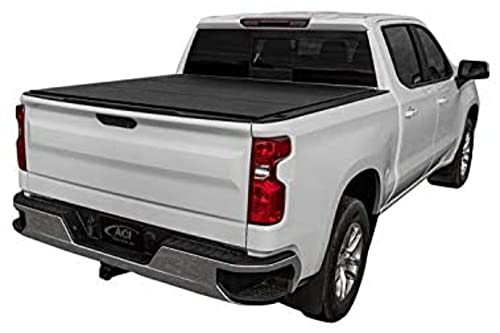
Why Side Rails Are the Most Common Leak Point
Water doesn’t usually leak through the cover material itself — it sneaks in where the cover attaches to the truck bed. Most tri-fold and roll-up covers clamp onto the bed rails with C-channel side rails that rely on foam weatherstripping to block moisture.
The problem is that foam compresses unevenly over time, especially in direct sun and freezing temperatures. Dust and grit work their way under the rail, creating gaps that let rainwater wick through. Even a hair-thin opening between the clamp and the bed rail gives road spray a path straight into the bed.
Our approach replaces foam strips with molded EPDM gaskets that sit inside the rail extrusion. The gasket runs the full length of each side rail and compresses uniformly when the clamp hardware tightens down. EPDM stays flexible across a wider temperature range than standard foam — it won’t crack in January cold or turn gummy in August heat.
How the Continuous Drainage Channel Directs Water Away
Even a perfectly sealed cover will collect rainwater on top — that’s physics, not a flaw. The question is what happens to that water once it’s there. Covers without a defined drainage path let water pool in the panel folds or run forward toward the cab, where it eventually finds a seam and drips into the bed.
Lomax covers feature a raised lip along each side rail that creates a continuous drainage channel from front to back. When rain hits the top surface, it flows along the channel toward the tailgate instead of sitting in the folds. The channel keeps water moving, so it exits at the tailgate rather than soaking into the hinge joints or side-rail gaps.
Gasket Overlap at Panel Hinges
The hinge points between folding panels are another common leak zone. We use overlapping gasket flaps at each hinge so that when the panels fold, the gaskets press together and block the seam. Water running down the top surface can’t penetrate the hinge because the gasket overlap creates a second seal behind the visible fold line.
Material Choices That Maintain the Seal Over Time
A tonneau cover water seal only works as long as the materials hold their shape. Lomax covers use aluminum side rails and a high-impact polymer top skin — both materials chosen because they don’t warp or deform under load. Aluminum rails won’t rust or corrode when exposed to road salt, and the polymer panels resist UV degradation that causes cheaper ABS covers to become brittle and crack.
The finish matters too. Our matte black powder-coat option adds a protective layer over the aluminum that sheds water faster than bare metal, reducing the chance that moisture will collect in fastener recesses or under the rail edge.
EPDM gaskets are ozone-resistant and won’t harden with age the way natural rubber does. That durability means the seal stays consistent year after year without needing replacement weatherstripping — a maintenance task most truck owners never get around to until the bed is already leaking.

Installation Details That Affect Seal Performance
Even the best-designed seal won’t work if the cover isn’t installed correctly. Before clamping the side rails down, wipe the truck bed rails clean — any dirt or old sealant residue left on the surface will prevent the gasket from making full contact.
Tighten the clamp bolts evenly across the length of each rail, working from the center toward the ends. Uneven torque creates gaps where one section of gasket compresses more than another. We recommend snugging the bolts finger-tight first, then going back with a wrench to bring them all to the same final tension.
If your bed has a spray-in liner, check that the liner edges are smooth and level where the rails sit. Some liners leave a thick ridge along the bed rail that lifts the Lomax rail slightly off the surface. A small bead of silicone under the rail fixes that gap, but only if you notice it during the test fit. For trucks sold in areas with heavy winter road spray, confirming a clean initial seal is especially important — we ship to dealers across the country, and our Canadian distribution network has taught us exactly where road salt finds its way into poorly-seated gaskets.

Testing the Seal After Installation
Once the cover is clamped in place, run a garden hose over the top for two minutes and check inside the bed for moisture. Start with a light spray to simulate rain, then increase the pressure to mimic highway road spray. Look along the inside edges of the side rails and at the tailgate corner — those are the first spots where a weak seal will show up.
If you see water inside, don’t assume the cover is defective. Nine times out of ten, a leak traces back to uneven clamp tension or debris under the gasket. Loosen the rail clamps, wipe everything down again, and re-tighten with a torque pattern that starts at the center and works outward.
For persistent leaks at the tailgate, verify that the tailgate itself closes flush with the bed sides. A tailgate that sits even slightly proud of the bed rail will leave a gap the cover can’t bridge. Some trucks need a small foam filler strip along the tailgate edge — that’s a bed tolerance issue, not a cover design flaw.
Why the Rail Design Matters More Than the Cover Material
Shoppers often compare tonneau covers by looking at the top material — hard vs soft, vinyl vs aluminum — but the real difference in weather protection comes down to how the side rails attach and seal. A $200 soft cover with a well-engineered rail system will keep your bed drier than a $600 hard cover with foam strips and loose clamps.
Lomax covers were designed around the seal first, then the rest of the cover second. Our sealed rail system uses compression gaskets, continuous drainage channels, and overlapping hinge seals because those are the features that actually stop water from reaching your cargo. Everything else — the fold mechanism, the latch design, the finish options — is secondary to getting that fundamental water barrier right.
Common Questions About Tonneau Cover Water Seals
No tonneau cover is 100% waterproof in the way a hard shell camper would be, but a properly installed Lomax cover with our sealed rail system will keep the bed dry enough for tools, camping gear, and anything else you wouldn’t leave sitting in a puddle. Light misting or condensation can still appear after a long highway drive in heavy rain, but standing water and soaked cargo shouldn’t happen if the gaskets are seated correctly.
EPDM gaskets typically last the life of the cover with no replacement needed. UV exposure and ozone don’t degrade EPDM the way they do foam or natural rubber. If you notice a leak developing after several years, check that the clamp bolts haven’t loosened — vibration over time can back them off slightly, reducing gasket compression.
You can, but you shouldn’t need to if the cover is installed correctly. Adding extra foam or silicone sealant on top of the factory gaskets often creates uneven clamping pressure that makes the seal worse, not better. If you’re tempted to add aftermarket weatherstripping, that’s a sign something in the installation needs adjustment first.
Yes. The channel relies on gravity to move water toward the low end, so as long as the truck isn’t parked perfectly level, water will flow. On a steep driveway, water exits faster. On a mild slope, it still drains — just more slowly.
That’s normal and expected. The top surface isn’t designed to shed every drop instantly. What matters is that the water flows along the side channels toward the tailgate instead of leaking through the panel seams. If pooling becomes excessive, check that the truck bed itself is level front-to-back — a sagging bed can trap water in the center panel.
EPDM gaskets stay flexible down to well below freezing, so cold weather alone won’t compromise the seal. Ice buildup along the side rails can prevent the cover from opening smoothly, but it won’t force water past the gasket as long as the cover stays latched. Brush off heavy snow before it melts and refreezes into the hinge joints.